
Goose, goose, goose… Duck! via Instagram











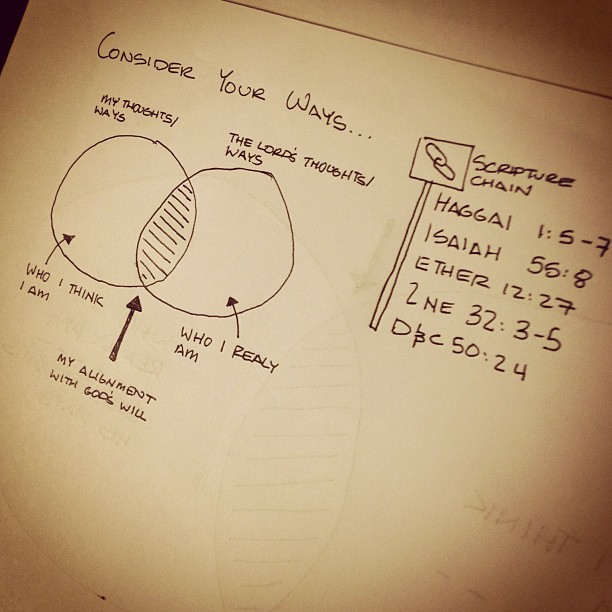

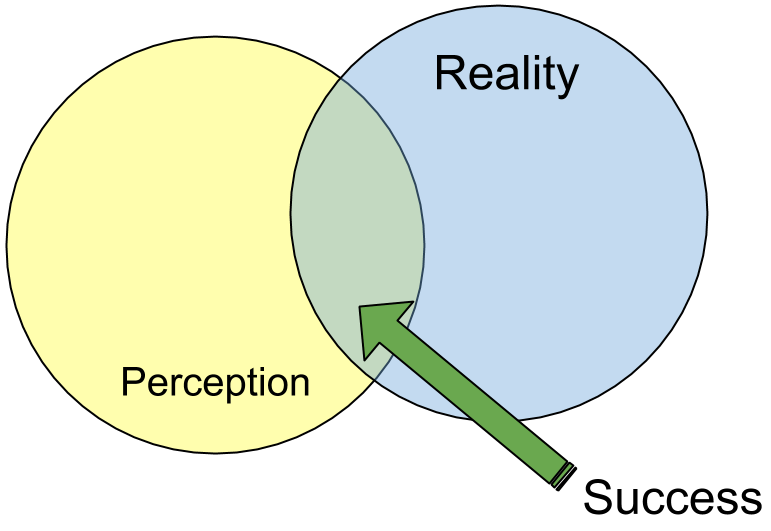
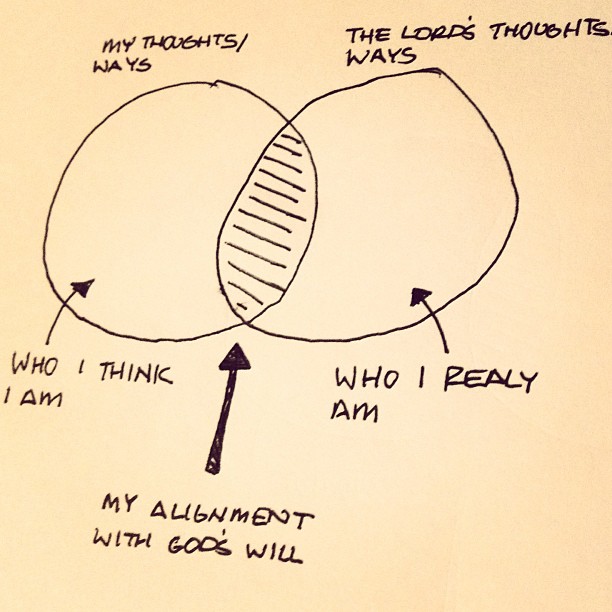
Isaiah emphasized a similar dichotomy to our perception compared to reality. He reminded us that,
“For my thoughts are not your thoughts, neither are your ways my ways, saith the Lord.
For as the heavens are higher than the earth, so are my ways higher than your ways, and my thoughts than your thoughts (Isaiah 55:8-9).”
I think this is a statement reminds us that our own perceptions, assumptions and constructs around how we make sense of this world should always be checked for accuracy. To the children of Israel, Haggai offered on behalf of the Lord the following challenge to reflect and evaluate,
“Now therefore thus saith the Lord of hosts; Consider your ways.
“Ye have sown much, and bring in little; ye eat, but ye have not enough; ye drink, but ye are not filled with drink; ye clothe you, but there is none warm; and he that earneth wages earneth wages to put it into a bag with holes.
“Thus saith the Lord of hosts; Consider your ways, (Haggai 1:5-7).”
“And if men come unto me I will show unto them their weakness. I give unto men weakness that they may be humble; and my grace is sufficient for all men that humble themselves before me; for if they humble themselves before me, and have faith in me, then will I make weak things become strong unto them (Ether 12:27).”
I’ll close by leaving this open ended with two links to two scriptures that can serve as jumping off points for how we might regularly consider our ways on a more regular basis:
What verses would you add? How do you ‘consider your ways’?













President Hinckley counseled us to focus on virtues over vice,
I am satisfied that if we would look for the virtues in one another and not the vices, there would be much more of happiness in the homes of our people. There would be far less of divorce, much less of infidelity, much less of anger and rancor and quarreling. There would be more of forgiveness, more of love, more of peace, more of happiness. This is as the Lord would have it.
Gordon B. Hinckley,
“Living Worthy of the Girl You Will Someday Marry”
April 1998 General Conference
Neal A. Maxwell observed,
The more what is politically correct seeks to replace what God has declared correct, the more ineffective approaches to human problems there will be, all reminding us of C. S. Lewis’s metaphor about those who run around with fire extinguishers in times of flood. For instance, there are increasing numbers of victims of violence and crime, yet special attention is paid to the rights of criminals. Accompanying an ever increasing addiction to pornography are loud alarms against censorship. Rising illegitimacy destroys families and threatens the funding capacities of governments; nevertheless, chastity and fidelity are mocked. These and other consequences produce a harsh cacophony. When Nero fiddled as Rome burned, at least he made a little music! I have no hesitancy, brothers and sisters, in stating that unless checked, permissiveness, by the end of its journey, will cause humanity to stare in mute disbelief at its awful consequences.
Neal A. Maxwell
“Becometh As A Child”
1996 General Conference
You must be logged in to post a comment.